
Karnataka’s Historic 60% Wage Hike Redefines the Baseline for One Crore Workers
Table of Contents
As inflation continues to squeeze household budgets, the Karnataka government has stepped in with 60% wage hike that will reshape the financial reality for an enormous segment of its workforce. On Friday, the state officially notified the final draft of its revised minimum wages, 60% Wage Hike, long-awaited relief to over one crore workers across 81 scheduled employments.
For those of us tracking labor economics, the headline figure is striking: an average wage increase of about 60%. This isn’t just a nominal bump to match annual inflation; it is a fundamental structural correction.
The New Wage Geometry
The revised 60% wage hike structure is carefully stratified across different geographic zones—with the Greater Bengaluru region coming under Zone 1—and varying skill levels.
Here is how the new economic baseline shapes up:
- The Floor: Unskilled workers in Zone 3 (the least expensive tier) will now see a guaranteed minimum wage of ₹19,300.
- The Ceiling: Highly skilled workers in Zone 1 will see their minimum wage jump to ₹31,100.
- VDA Integration: In a crucial administrative cleanup, the variable dearness allowance (VDA) accumulated over the past two years—amounting to ₹1,030—has been permanently folded into these new base figures.
What This Means on the Ground
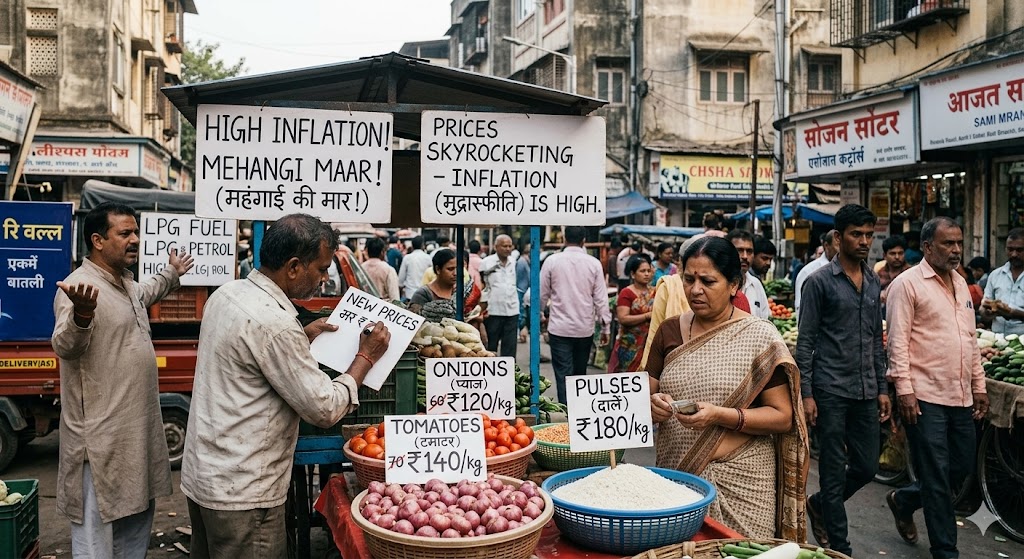
A 60% wage hike is a monumental shift. For years, the working class has been battered by the rising cost of essential commodities like food, fuel, and housing. The old wage baselines simply could no longer support a dignified standard of living in one of India’s most economically dynamic states.
This policy explicitly targets the “missing middle” of the working poor. These are workers who historically have had very little take-home pay left after mandatory deductions like ESI and Provident Fund, yet earn just enough to be disqualified from Below Poverty Line (BPL) state welfare schemes.
By formally rolling the accumulated ₹1,030 VDA into the base wage, the government is ensuring that future allowances will be calculated on a much higher, more realistic foundation moving forward.
Setting a new wage floor of this magnitude is always a delicate economic balancing act. While trade unions and millions of working-class families will rightly celebrate this lifeline, the ripple effects on businesses—particularly the MSME sector, which operates on razor-thin margins—will require close monitoring by the state.
However, from a macroeconomic standpoint, this is a decisive and necessary step. Putting more money directly into the pockets of one crore workers isn’t just a victory for labor rights; it is an injection of vital consumer demand straight back into the local economy. The true test of Friday’s notification will now depend entirely on strict, statewide enforcement. The blueprint is signed—now the real work of compliance begins.