
Rare Earth Mining and Poisoning the Mekong
CHIANG SAEN, THAILAND — A silent killer is flowing through the Mekong River. While the world celebrates the rise of electric vehicles and smartphones, the unregulated mining of rare earth materials in Myanmar and Laos is releasing a “toxic cocktail” into one of Asia’s most vital lifelines.
For 70 million people downstream, the river is no longer just a source of life—it is becoming a source of disease.
1. The Mining Boom: Fueling Progress, Exporting Poison
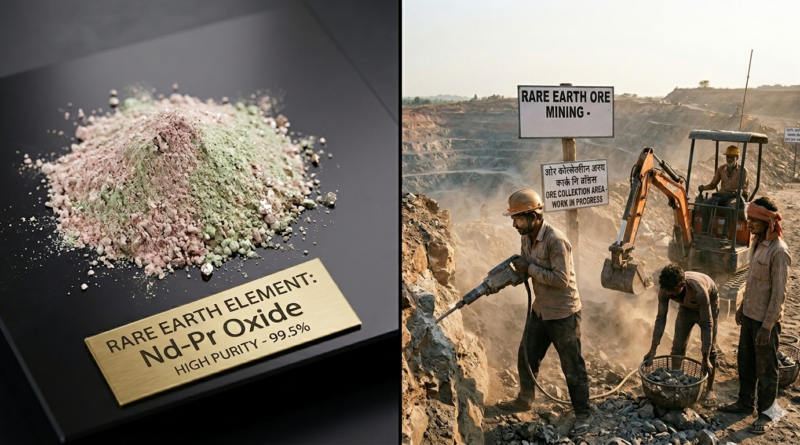
Rare earth elements (like neodymium and dysprosium) are essential for modern technology. However, the extraction process involves heavy chemicals that are leaking into the Mekong’s tributaries.
- The Epicentre: Unregulated mines in war-torn Myanmar and expanding operations in Laos.
- The Victims: 75-year-old fishermen like Sukjai Yana, who find their nets filled with fish no one wants to buy for fear of contamination.
2. A Threat to the “World’s Kitchen”
Thailand is one of the world’s top exporters of rice and fruits, competing closely with India. The contamination of the Kok, Sai, and Ruak rivers—all Mekong tributaries—puts global food safety at risk.
- Contaminated Exports: Toxins are imperiling rice bags in U.S. supermarkets, edamame in Japan, and garlic in Malaysia.
- Economic Collapse: Environmentalists warn that if heavy metals like arsenic and lead are detected in export batches, Thailand’s multi-billion dollar agricultural industry could collapse.
3. The Human Toll: The Insidious Four
Scientists from Thailand’s Naresuan University have found elevated levels of four dangerous heavy metals in water and fish samples:
- Arsenic: Leads to organ failure and skin lesions.
- Mercury: Causes permanent damage to the nervous system.
- Lead: Impairs cognitive development in children.
- Cadmium: Results in severe kidney damage and bone fragility.
4. A Life Cut Off: The Indigenous Crisis
For ethnic minorities like the Lahu, the river is not just a resource; it is their culture. Famed as fisherfolk, they are now being warned to stay away from the water. “The contaminated river has cut off our lifeline,” says Lahu elder Sela Lipo.
5. A Diplomatic Deadlock
The Thai government admits it has “little leverage.”
- Political Turmoil: The civil war in Myanmar makes it impossible to regulate mines across the border.
- Limited Resources: Thailand’s Pollution Control Department cites a lack of funds and expertise to tackle a trans-border crisis of this scale.
- Monitoring Only: For now, the response is limited to “monitoring and education”—telling people not to drink the water, while the toxins continue to flow.