
PM Modi Condemns Iranian Strikes on UAE
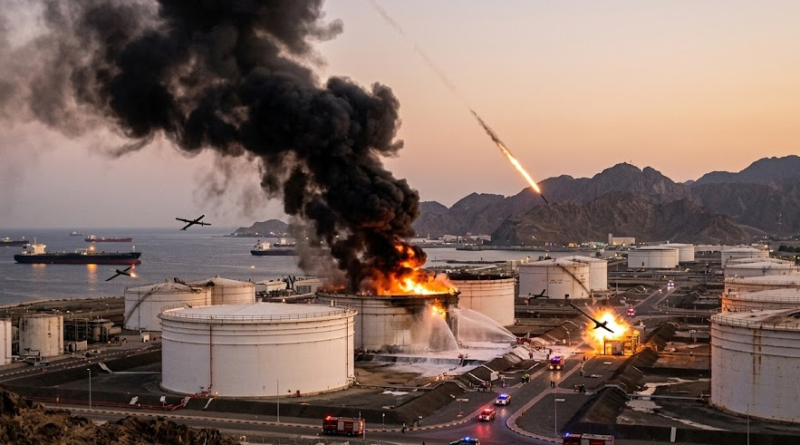
NEW DELHI – In his most pointed intervention since the escalation of the conflict in West Asia, Prime Minister Narendra Modi on Tuesday “strongly condemned” Iranian drone and missile attacks on oil installations in Fujairah. The strikes, which injured three Indian nationals, have prompted a significant shift in New Delhi’s diplomatic tone as regional tensions reach a breaking point.
A Departure from Neutrality
Historically cautious in its rhetoric regarding the West Asian conflict, the Indian government’s latest stance marks a hardening of position. In a social media post, Prime Minister Modi expressed “firm solidarity” with the UAE, labeling the targeting of civilian infrastructure “unacceptable.”
“[I] strongly condemn the attacks on the UAE that resulted in injuries to three Indian nationals. India stands in firm solidarity with the UAE and reiterates its support for the peaceful resolution of all issues through dialogue and diplomacy,” the Prime Minister stated.
The External Affairs Ministry (EAM) echoed these sentiments, specifically calling for an end to the blockade of the Strait of Hormuz. The blockade became a flashpoint on Monday after U.S. forces attempted to forcibly open shipping channels, resulting in the sinking of several Iranian vessels—an action believed to have triggered Iran’s retaliatory strike on Fujairah.
The Stakes for India
The government’s heightened concern is driven by the massive Indian diaspora and economic interests in the Gulf:
- Human Cost: An estimated 10 million Indians live in the Gulf, with 4.3 million in the UAE alone, making them the largest expatriate community in the country.
- Economic Impact: Remittances from the region exceed $40 billion annually, with the UAE accounting for more than half of that total.
- Energy Security: The call for “unimpeded navigation” in the Strait of Hormuz underscores India’s reliance on stable maritime trade routes for energy and commerce.
Fragile Ceasefire Shattered
The exchange of fire between the U.S. and Iran on Monday represents the first major breach of the April 8 ceasefire brokered in Pakistan. The resurgence of violence follows the “asymmetric” strikes initiated by the U.S. and Israel on February 28, raising global fears of a protracted, full-scale war.
| Key Date | Event |
| Feb 28 | Initial strikes by U.S. and Israel. |
| April 8 | Ceasefire agreed upon in Pakistan. |
| May 4 | U.S. sinks Iranian boats; Iran retaliates against UAE oil facilities. |
| May 15 | Scheduled visit of PM Modi to Abu Dhabi. |