
Delhi High Court Shields Shashi Tharoor’s Personality Rights
In a significant legal move for intellectual property and individual rights, the Delhi High Court has officially stepped in to protect the “personality rights” of Member of Parliament and Congress leader Shashi Tharoor.
The order, passed on May 8 by Justice Mini Pushkarna, recognizes Tharoor as a “respected and recognised public figure” whose unique persona deserves protection from commercial exploitation and unauthorized imitation.
Key Takeaways from the Injunction
The court’s order is notably broad, covering the specific “facets” that make Shashi Tharoor a household name in India and abroad. The court has restrained various entities and individuals from:
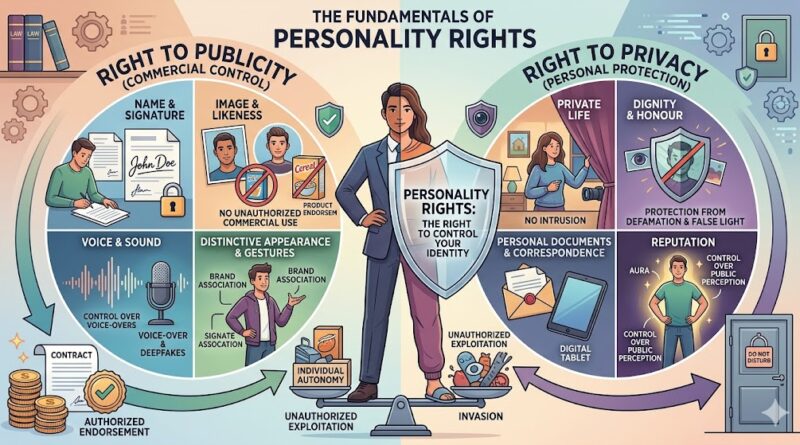
- Visual Likeness: Unauthorized use of his image or physical appearance.
- Distinct Voice: Mimicking his vocal tone for commercial or misleading purposes.
- Oratorical Cadence: Imitating his signature rhythm and manner of speaking.
- Refined Vocabulary: Exploiting his well-known penchant for sophisticated language and “words of the day.”
“The plaintiff is a respected and recognised public figure… He enjoys personality rights over all facets of his personality,” Justice Pushkarna observed while passing the interim order.
Why This Matters
Personality rights (sometimes called “publicity rights”) allow individuals to control the commercial use of their identity. While stars like Amitabh Bachchan and Anil Kapoor have previously sought similar protections, this case is unique as it highlights intellectual traits—specifically Tharoor’s oratorical style and vocabulary—as protected assets.
The lawsuit was filed after various AI-generated clips and commercial entities allegedly used Tharoor’s “persona” to endorse products or create content without his consent.
The Impact on Content Creators
This ruling serves as a stern warning to:
- AI Developers: Using “deepfake” technology to replicate Tharoor’s voice or speaking style is now a direct legal risk.
- Advertisers: Using a “Tharoor-esque” character to sell products could lead to contempt of court.
- Social Media Influencers: While satire is generally protected, the line between parody and “misappropriation” of a public figure’s identity is becoming increasingly thin.
The Verdict
The Delhi High Court’s stance reinforces that a public figure’s identity isn’t “public property.” By protecting Tharoor’s “signature oratorical cadence,” the court has acknowledged that the way a person speaks and the words they choose are as much a part of their brand as their face.