
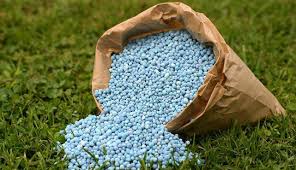
Global Fertilizer ‘Super-Squeeze’ Puts India’s Food Security and Subsidy Bill Under Pressure
NEW DELHI/GLOBAL DESK — India’s agricultural sector is facing a critical challenge as the ongoing conflict in West Asia triggers a second massive surge in global fertilizer prices in four years. With the Strait of Hormuz—the world’s most vital fertilizer transit point—effectively closed, the “supply crunch” is now deeper than the one witnessed during the 2022 Russia-Ukraine war.
The ‘Double-Whammy’ for Farmers
Unlike the 2022 crisis, where high grain prices helped farmers absorb rising input costs, the current situation is far more severe. Global crop prices (Wheat and Soybeans) are currently 50% lower than they were four years ago, leaving farmers with zero cushion to manage ballooning fertilizer bills.
Impact on India: A Record-Breaking Import Bill
As the world’s largest rice producer and second-biggest wheat grower, India has moved into “crisis management” mode.
- The Cost of Security: New Delhi has recently booked record volumes of Urea in a single tender, paying nearly twice the price recorded just two months ago.
- The Subsidy Strain: While the Union Ministry of Fertilizers recently assured that domestic “stocks are stable,” the surging global prices are expected to significantly inflate the government’s Fertilizer Subsidy Bill for the 2026-27 fiscal year.
Why the Strait of Hormuz Matters
The Middle East serves as the world’s primary hub for nitrogen-based fertilizers. The current blockade has effectively effected this vital artery:
- Stranded Cargo: Approximately 1 million metric tonnes of urea remain trapped on vessels within the Gulf, unable to reach international markets.
- Production Halt: Leading facilities in Qatar have suspended Urea exports, while the flow of sulphur and ammonia—the “raw materials” for most fertilizers—has been severely restricted.
- Logistical Backlog: Analysts from Rabobank and ICIS warn that even an immediate end to hostilities would not provide instant relief; clearing the shipping queue alone will take months.
The Global Domino Effect: Threats to World Breadbaskets
The shortage is forcing a “planting rethink” across major agricultural nations, posing a direct threat to the 2026-27 harvest:
- Australia: Wheat planting is projected to drop by 14% as farmers abandon fertilizer-heavy crops.
- Brazil: The world’s leading soybean exporter is forced to use cheaper, less effective alternatives, risking a massive drop in overall yield.
- Developing Nations: The UN has flagged East Africa as a high-risk zone, where soaring prices could trigger a wave of acute food insecurity.
Outlook for 2026
While record harvests in 2025 provided a temporary buffer in grain stocks, the International Grains Council is already cutting forecasts for the next harvest. For India, the focus remains on ensuring that the “well-managed” supply reaches the farmers in time for the upcoming sowing season, even as the global cost of doing so continues to skyrocket.