
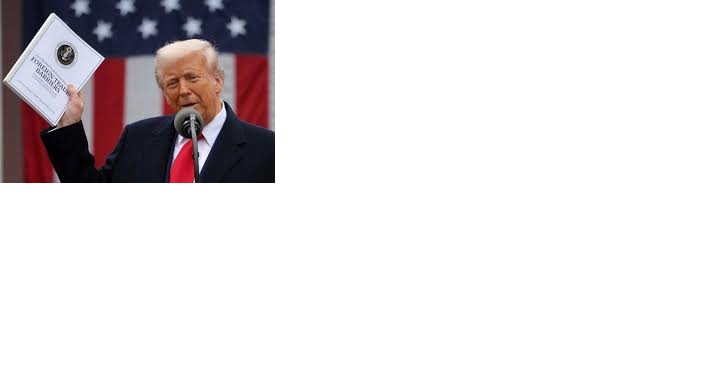
Legal Blow to “Tariff Diplomacy”: CIT Rules Trump’s 10% Temporary Tariffs “Unauthorized”
WASHINGTON D.C. – In a landmark decision that significantly undermines the White House’s trade strategy, the U.S. Court of International Trade (CIT) ruled on Friday that the 10% temporary tariffs imposed by President Donald Trump on all U.S. trade partners—including India—were “unauthorized by law.”
The ruling represents a major judicial setback for the administration’s use of broad, cross-the-board tariffs as leverage for geopolitical and economic negotiations.
The Ruling: A Lack of Statutory Authority
The CIT found that the administration exceeded its executive powers by implementing the 10% levy (often referred to in diplomatic circles as the “Liberation Day Tariffs”) without sufficient legislative backing or a valid national security justification under existing trade statutes.
- The Precedent: This ruling sets a powerful legal precedent that restricts the President’s ability to unilaterally impose blanket tariffs on allies and partners for purely policy-driven objectives.
- A “Further Blow”: This follows a period of intense judicial scrutiny; earlier reports from May 2026 indicated that the U.S. Supreme Court had already expressed skepticism or issued decisions that created “uncertainty” around these specific tariffs.
Impact on Global and Indian Exporters
While the ruling is a moral and legal victory for free-trade advocates, the CIT added a significant caveat: the decision does not translate into immediate financial relief.
- No Instant Refunds: Exporters from India, the EU, and other nations will not see an immediate cessation of the 10% duty, nor is there a confirmed timeline for the refund of billions of dollars already collected.
- Pending Appeals: The administration is expected to appeal the CIT’s decision to the Federal Circuit, potentially keeping the tariffs in a “legal limbo” for months.
- Trade Deal Paralysis: This ruling adds another layer of complexity to the India-U.S. Bilateral Trade Agreement (BTA). As seen during Secretary Marco Rubio’s recent visit to Delhi, the finalization of the BTA remains stalled precisely because of the legal volatility surrounding these tariffs.
Strategic Implications for the Trump Administration
The ruling strikes at the heart of the “Trump Doctrine” on trade, which relies on the threat of tariffs to force partners into concessions.
With the CIT labeling these tools “unauthorized,” trade partners like India and Japan may find less incentive to make deep concessions in the BTA or Quad negotiations, anticipating that the tariffs will eventually be struck down permanently by the higher courts.
Context: The “Liberation Day” Context
These tariffs were part of a broader suite of protectionist measures introduced in early 2025. Their invalidation comes at a sensitive time, as the U.S. faces significant domestic pushback over the rising costs of imported raw materials and consumer goods, which critics have linked directly to these unauthorized duties.