
India Launches First-Ever National Framework for Childhood Diabetes Care
NEW DELHI — In a landmark move for pediatric healthcare, the Union Health Ministry has introduced a structured, standardized national framework for the management of diabetes in children. Released on Sunday, May 3, 2026, the Guidance Document on Diabetes Mellitus in Children marks the first time India has integrated comprehensive childhood diabetes care directly into its public health system.
This initiative aims to provide a “safety net” for every child from birth to 18 years, ensuring that financial constraints never stand in the way of life-saving treatment.
The “4Ts” Awareness Framework
To ensure early detection, the Ministry is promoting the “4Ts”—a simple diagnostic tool designed for parents, teachers, and caregivers to recognize the warning signs of Type 1 diabetes before it becomes an emergency.
- Toilet: Using the bathroom frequently (especially at night).
- Thirsty: Excessive, unquenchable thirst.
- Tired: Unusual fatigue or lethargy.
- Thinner: Sudden, unexplained weight loss.
The Free-of-Cost Care Package
Recognizing that diabetes is a lifelong financial burden, the new framework promises a comprehensive care package at all public health facilities, completely free of cost:
- Universal Screening: Immediate blood glucose testing for all suspected cases.
- Lifelong Insulin Therapy: Uninterrupted supply of insulin for those diagnosed.
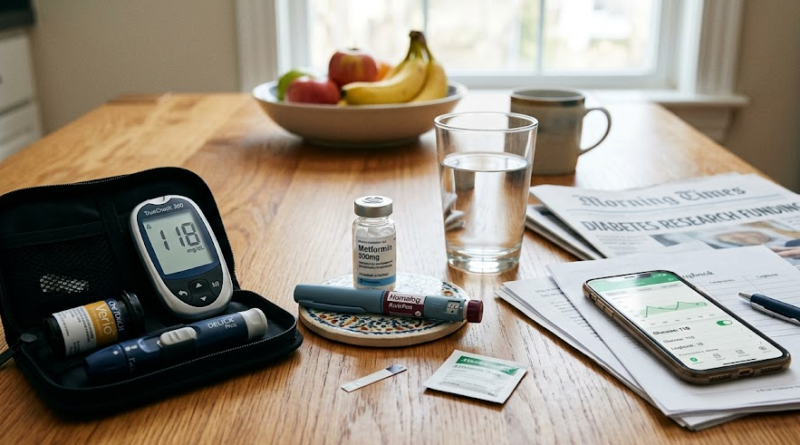
- Monitoring Tools: Provision of glucometers and test strips for home management.
- Empowerment: Training for families on how to administer insulin and handle glucose emergencies.
The Integrated Continuum of Care
The framework isn’t just about handing out medicine; it creates a seamless medical journey for the patient:
- Community Level: Initial screening and detection by local health workers.
- District Level: Confirmatory diagnosis and initiation of treatment at district hospitals.
- Advanced Level: Specialized care and complication management at medical colleges.
“This convergence ensures that no child is lost in the system,” noted the Health Ministry, emphasizing that the goal is to bridge the gap between detection and long-term follow-up.
Why This Matters: The Science of Insulin
Diabetes is a chronic condition where the pancreas either fails to produce enough insulin (Type 1) or the body cannot use it effectively (Type 2).
- Insulin’s Role: It is the hormone responsible for regulating blood sugar.
- The Risk: Without it, Hyperglycaemia (raised blood sugar) occurs, which over time causes irreversible damage to nerves and blood vessels.
For years, a Type 1 diagnosis for a child in a low-income family was often a slow death sentence due to the recurring cost of insulin and strips. By making these “lifelong” supplies free and teaching parents the 4Ts, the government is shifting from reactive treatment to proactive life-saving. It’s a massive win for health equity in India.