
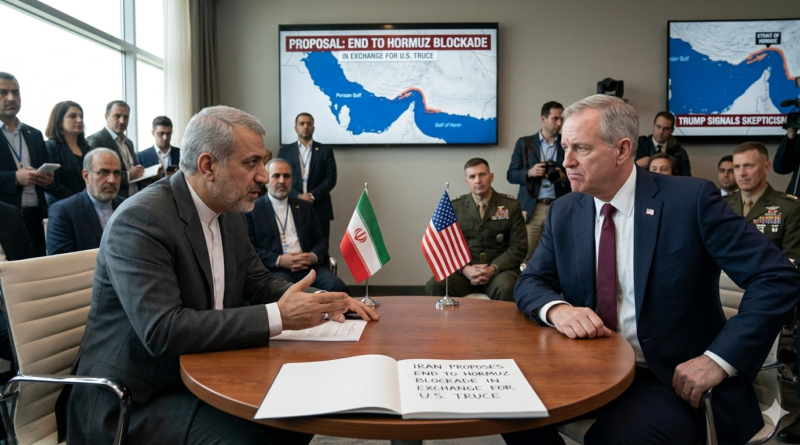
“Project Freedom” Sparks Naval Clashes in the Strait of Hormuz
ABU DHABI / MUSCAT — The Persian Gulf has seen its most significant escalation since the April ceasefire as U.S. forces engaged Iranian Revolutionary Guard (IRGC) units during the launch of “Project Freedom.” The operation, aimed at breaking the two-month-old maritime chokehold, has triggered retaliatory strikes across the region, including the first direct attack on the UAE since early April.
The Naval Engagement: Project Freedom
On Monday, May 4, 2026, the U.S. military initiated a high-stakes mission to escort stranded merchant vessels through the Strait of Hormuz.
- The Conflict: U.S. Central Command (CENTCOM) reported that Iranian forces used cruise missiles, drones, and speedboats to harass civilian ships. U.S. Navy helicopters responded by sinking six Iranian small boats.
- The Results: Admiral Brad Cooper confirmed that two U.S.-flagged merchant ships successfully transited the strait.
- The Denial: Tehran has labeled the U.S. claims “delirium” and “baseless,” denying both the transit of commercial ships and the loss of any Iranian vessels.
Regional Fallout: Attacks on the UAE and Oman
The IRGC’s response extended beyond the water, targeting key infrastructure in allied nations.
- UAE (Fujairah): An Iranian drone strike targeted an oil facility in Fujairah, sparking a major fire. The Embassy of India in Abu Dhabi confirmed that three Indian nationals were wounded in the blast and are receiving medical care.
- Oman: A residential building near the strait was targeted, resulting in injuries to two foreign workers.
- Maritime Losses: The British military reported two additional cargo vessels ablaze off the coast of the UAE following missile strikes.
The “Dual Blockade” and the Failed Ceasefire
The current crisis stems from a “dual blockade” that has paralyzed global energy markets since late February 2026:
- The Iranian Blockade: Tehran has effectively closed the strait to most traffic, recently demanding “tolls” of over $1 million per ship.
- The U.S. Blockade: Washington has maintained a naval blockade of Iranian ports since April 13, following the failure of mediated talks in Islamabad.
Project Freedom: President Donald Trump has framed the new military escort as a “humanitarian effort” to rescue up to 20,000 seafarers stranded on hundreds of ships that have been stuck in the Gulf with dwindling supplies of food and water.
Impact on India: Energy and Human Cost
As a major importer of crude oil and urea through this corridor, India is deeply affected by the instability:
- Humanitarian: The injury to Indian sailors and workers adds a direct human cost to the conflict. New Delhi has condemned the “unacceptable” targeting of civilian infrastructure.
- Economic: India has been forced to import record amounts of urea at nearly double the price due to the closure of the Hormuz route.