
Strategic Dilemma: India Navigates U.S. Sanctions as Chabahar Port Waiver Expires
NEW DELHI — India’s strategic autonomy is facing a critical test as the U.S. sanctions waiver for the Chabahar Port project officially expired on Sunday. The Ministry of External Affairs (MEA) confirmed on Monday that New Delhi is in intense discussions with both Tehran and Washington to navigate the fallout, which could force India to either exit the 23-year-old project or risk secondary sanctions from the United States.
The Conflict Factor
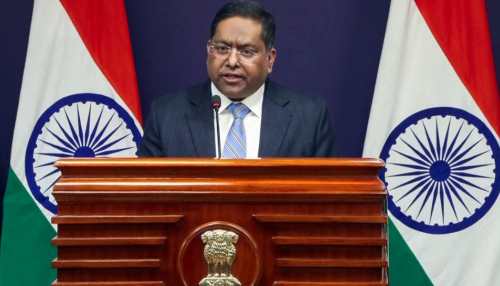
The expiration comes at a volatile time in West Asia. MEA spokesperson Randhir Jaiswal noted that while discussions are ongoing, the “current conflict” in the region has become a significant “complicating factor.”
With the U.S. currently tightening economic pressure on Iran due to recent escalations, Ministry officials have expressed low confidence in receiving another six-month extension, like the “wind down” waiver granted in October 2025.
India’s Two Main Options
As the clock runs out, New Delhi is weighing two primary paths:
- Direct Exit: Completely withdrawing from the Shahid Beheshti Terminal to avoid any collision with U.S. financial sanctions.
- The “Stake Transfer” Strategy: In a move to protect its long-term interests, the government is exploring transferring its current stake in the terminal to an Iranian company.
The Leeway Move: By transferring the stake now, India hopes to avoid immediate sanctions while maintaining a legal and diplomatic “leeway” to regain control of the terminal once geopolitical tensions subside.
Why Chabahar Matters
For India, Chabahar is not just a port; it is a vital gateway:
- Bypassing Pakistan: It provides the primary sea-land route to Afghanistan and Central Asia, bypassing Pakistani territory.
- INSTC Link: It is a core component of the International North-South Transport Corridor (INSTC).
- Strategic Counterweight: It serves as a maritime balance to China’s presence in the nearby Gwadar Port in Pakistan.
What Lies Ahead?
The government’s decision will signal its ability to balance its “Comprehensive Global Strategic Partnership” with the U.S. against its traditional ties and energy interests in Iran. The MEA has stated it will provide updates as the “situation evolves.”